

Should You Fear the Coxsackie Virus This Autumn: Sanitary Service Explains
Deputy Head of the Sanitary and Epidemiological Service Nurmat Otabekov noted a seasonal increase in the risk of Coxsackie virus infection but stated that the disease usually progresses mildly, with severe complications being rare.
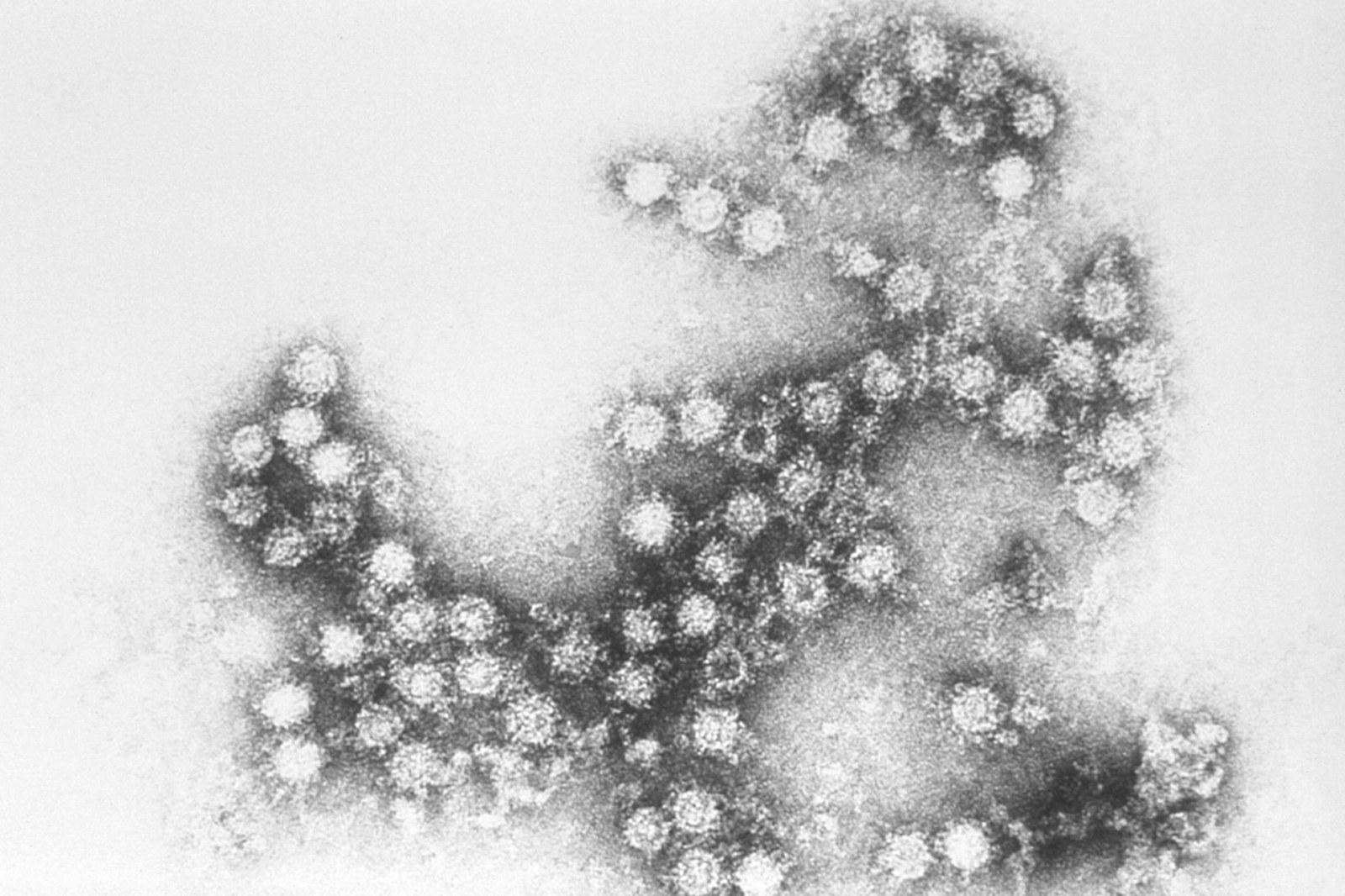
According to Otabekov, as the weather turns colder, contracting the Coxsackie virus becomes easier. However, in most cases, the infection does not pose a serious threat and resolves in a mild form.
In Uzbekistan, the Coxsackie virus is not tracked in separate statistics: it belongs to the enterovirus group and may be recorded alongside them. The infection is not particularly characteristic of the country; it is more frequently detected in Europe, Latin America, and the western regions of America.
The disease may present with cold-like symptoms and sometimes intestinal disturbances. Type A can cause blisters on the face, lips, nose, and fingers. Type B may lead to intestinal symptoms and, in isolated cases, affect internal organs. The infection can be suspected if a fever persists for more than four days.
Otabekov clarified that, in rare instances, the disease can result in pneumonia or meningitis, but the risk of such outcomes is extremely low. Treatment focuses on alleviating symptoms. For prevention, thorough handwashing is recommended, and at the first signs of infection, contact with others should be avoided.