


Compliance with WHO air quality guidelines could save over 9 million lives annually
A study by the University of Cambridge found that adhering to WHO guidelines for PM2.5 could prevent 9.4 million deaths per year, while reducing NO2 levels could prevent an additional approximately 1.1 million deaths.
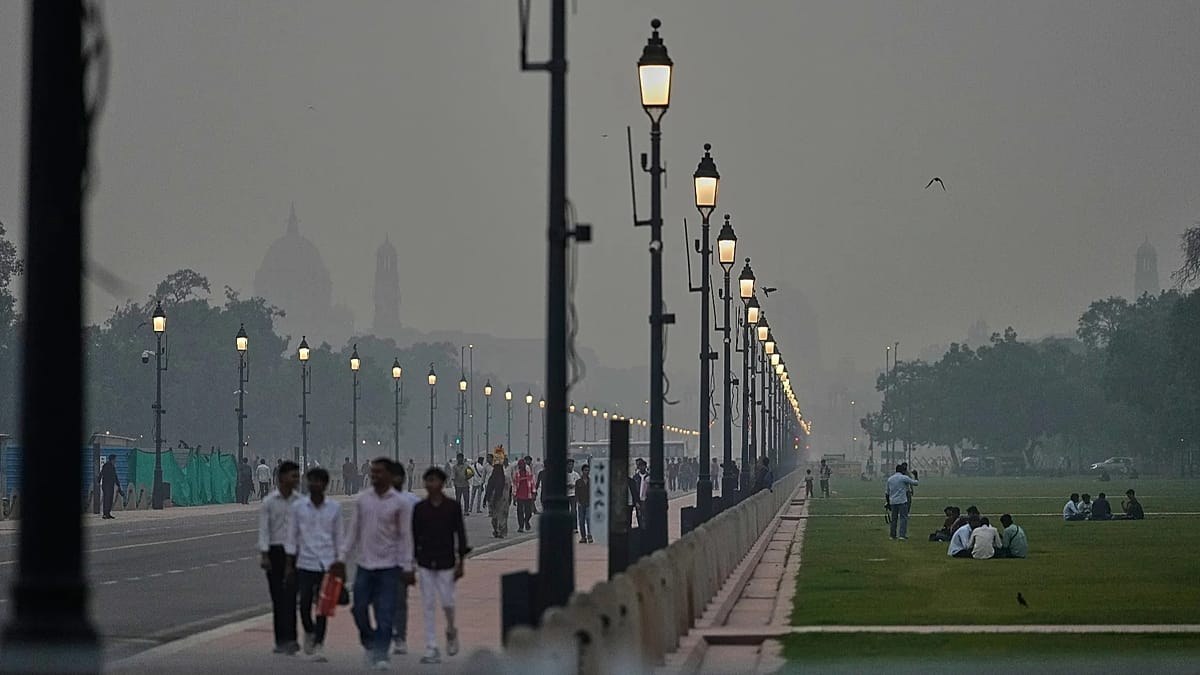
Researchers estimated that achieving the recommended PM2.5 levels could prevent 9.4 million deaths annually. Reducing nitrogen dioxide concentrations could prevent or delay around 1.1 million more deaths.
The greatest impact would be observed in low- and middle-income countries. The authors attribute high pollution levels in these nations to urbanization, economic development, and increased use of cars and other forms of transport.
Lowering PM2.5 levels could annually reduce cases of chronic obstructive pulmonary disease by 2.8 million, dementia by 1.1 million, ischemic heart disease by 7.3 million, and strokes by 2.3 million. Heart attacks and strokes account for the majority of preventable deaths.
The benefits would extend beyond healthcare. According to the study, complying with WHO guidelines would yield an annual societal gain of Int$8.4 trillion, adjusted for purchasing power parity. This is equivalent to 10.7% of the combined GDP of the countries included in the study. Cleaner air would also reduce healthcare costs and help preserve workforce productivity.