


Little-known protein may be one of the key culprits behind type 2 diabetes
Researchers have linked the accumulation of the Miro1 protein in muscles to insulin resistance in type 2 diabetes. Removing the protein helped restore insulin response in preclinical models.
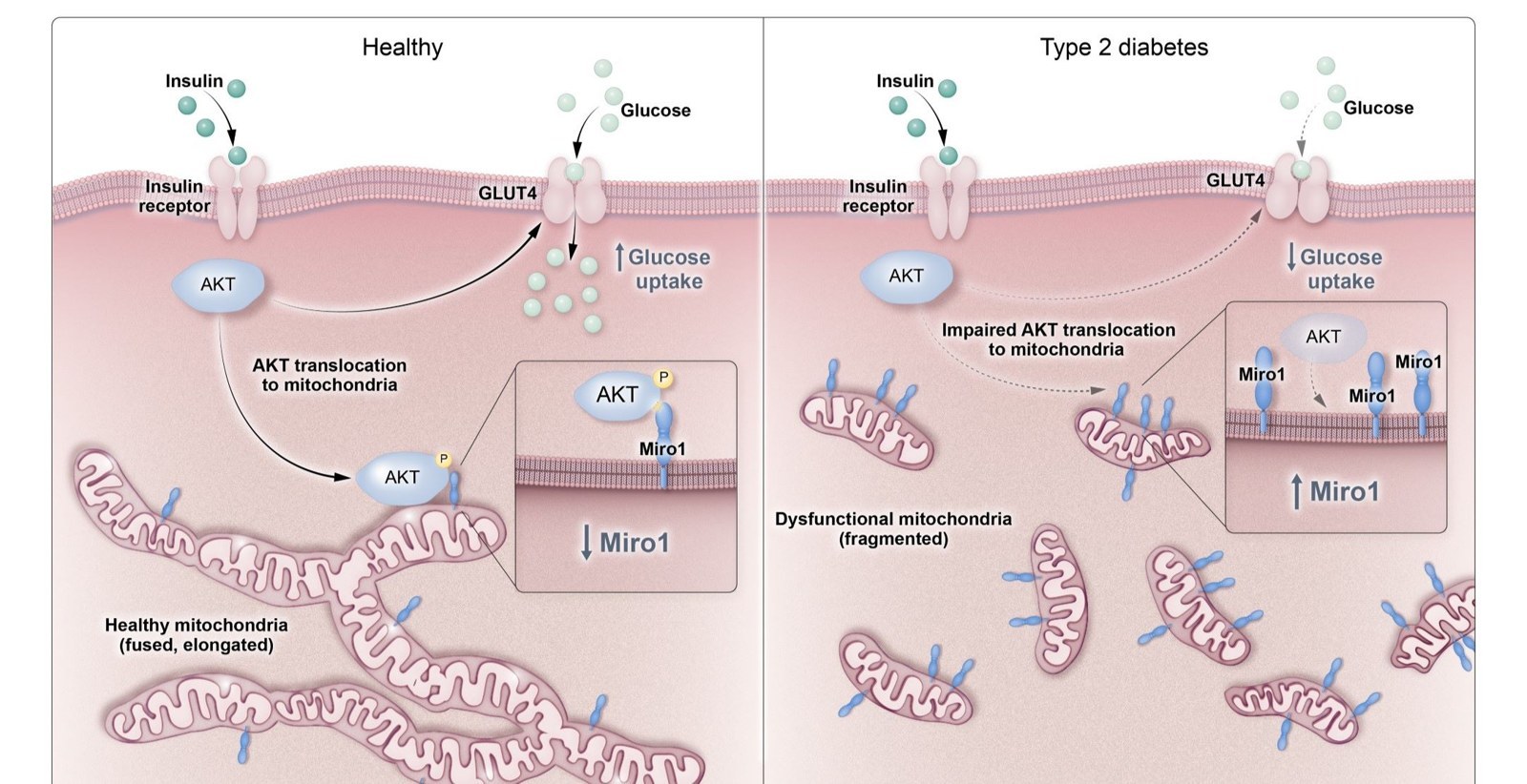
The Miro1 protein was found in elevated amounts in the skeletal muscles of people with type 2 diabetes. The study was published in *Nature Communications*.
Miro1 is located on the outer membrane of mitochondria—structures within cells that produce energy. Scientists examined its role in cells, preclinical models, and in people with diabetes. In experiments, the accumulation of the protein worsened muscle response to insulin, while its removal restored this response in preclinical models.
The senior author of the study, Dr. John P. Kirwan, conducted the work at Pennington Biomedical Research Center. He now leads the Harold Hamm Diabetes Center at the University of Oklahoma, where he plans to continue research combining laboratory experiments and human observations.

The impact of physical exercise was tested in a randomized controlled study involving people with obesity and type 2 diabetes. Participants compared aerobic training with standard medical care. In the exercise group, Miro1 levels in muscles decreased simultaneously with improved insulin sensitivity and the muscles' ability to produce energy.
The authors emphasize that it is not yet known whether directly targeting Miro1 will lead to a safe and effective treatment. The results in humans show a link between physical exercise, reduced protein levels, and improved insulin sensitivity, whereas the restoration of response after Miro1 removal has only been demonstrated in preclinical models.