

Scientists discover cancer uses antioxidants to suppress the immune system
Tumors release the protein PRDX1, which prevents T-cells from attacking cancer. In experiments on mice, blocking the mechanism enhanced the immune response, but the treatment has not yet been tested on humans.
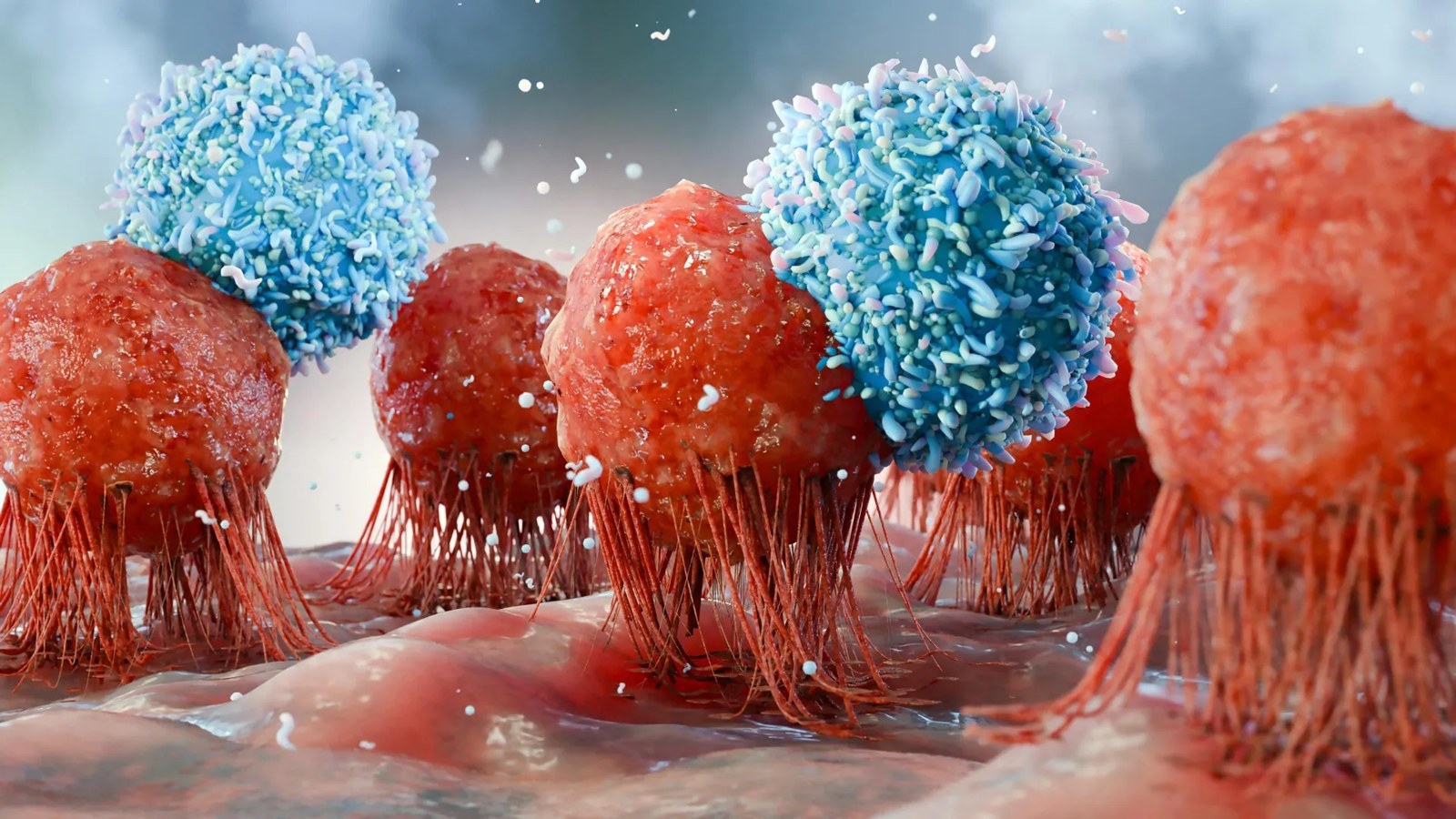
Researchers from the University of Cambridge and Oregon Health & Science University have uncovered how tumors weaken the function of immune cells. The results were published in the journal Science on November 10, 2026.
T-cells require small amounts of reactive oxygen species to recognize and destroy tumor cells. Cancer cells release the antioxidant protein peroxiredoxin 1 (PRDX1) into surrounding tissue, which removes these molecules and prevents T-cells from fully activating.
Scientists used CRISPR gene editing on tumor cells in mice and disabled the production of PRDX1. Following this, immune cells became more active, and tumor growth slowed. In another series of experiments, the absence of the protein improved tumor response to immunotherapy: some previously treatment-resistant tumors began responding to it.

Researchers also analyzed data on proteins secreted by human cancer cells, gene activity in thousands of tumors, and fluid from tumors removed during surgeries. All three sources indicated the presence of the same mechanism in humans.
The authors emphasize that the findings are still preclinical. Potential methods of targeting PRDX1 have not yet proven safe or effective for patients. The study also does not confirm that antioxidant supplements in general cause cancer, so altering treatment, diet, or supplement intake based on these results should not be done without consulting a doctor.